


Architectural ideas often begin as drawings, sketches, models, or digital plans. Turning those ideas into finished steelwork requires more than basic manufacturing. It takes planning, technical skill, and clear communication between architects, builders, engineers, and fabricators.
For projects across Brisbane, BridgeFab supports clients who need custom fabricated steel that matches the design intent and performs reliably on site. Through Boutique Steel Fabrication, architectural concepts can be transformed into practical steel components that suit the building, space, and project requirements.
Understanding the Design Intent
The first stage in any architectural steel project is understanding what the design is trying to achieve. Steel may be used as a structural element, a visible design feature, or both. This can include staircases, balustrades, frames, beams, screens, awnings, gates, or feature installations.
A skilled steel fabricator needs to consider more than the drawing. They must understand where the steel will be installed, how it will connect with other materials, and how the final piece will be used. This helps ensure the fabrication process supports both the visual and practical goals of the project.
Site Measurement and Technical Planning
Accurate measurements are essential when custom steelwork is being made for an architectural project. Even small differences on site can affect how a steel component fits during installation.
Tools including 3D scanners can help capture detailed site information, especially for complex spaces or renovation work. This information can be used to check measurements, assess clearances, and reduce the risk of delays during installation.
During planning, the fabrication team may review:
- Site measurements and access requirements
- Connection points and fixing methods
- Material thickness and finish options
- Installation sequencing
From Workshop to Installation
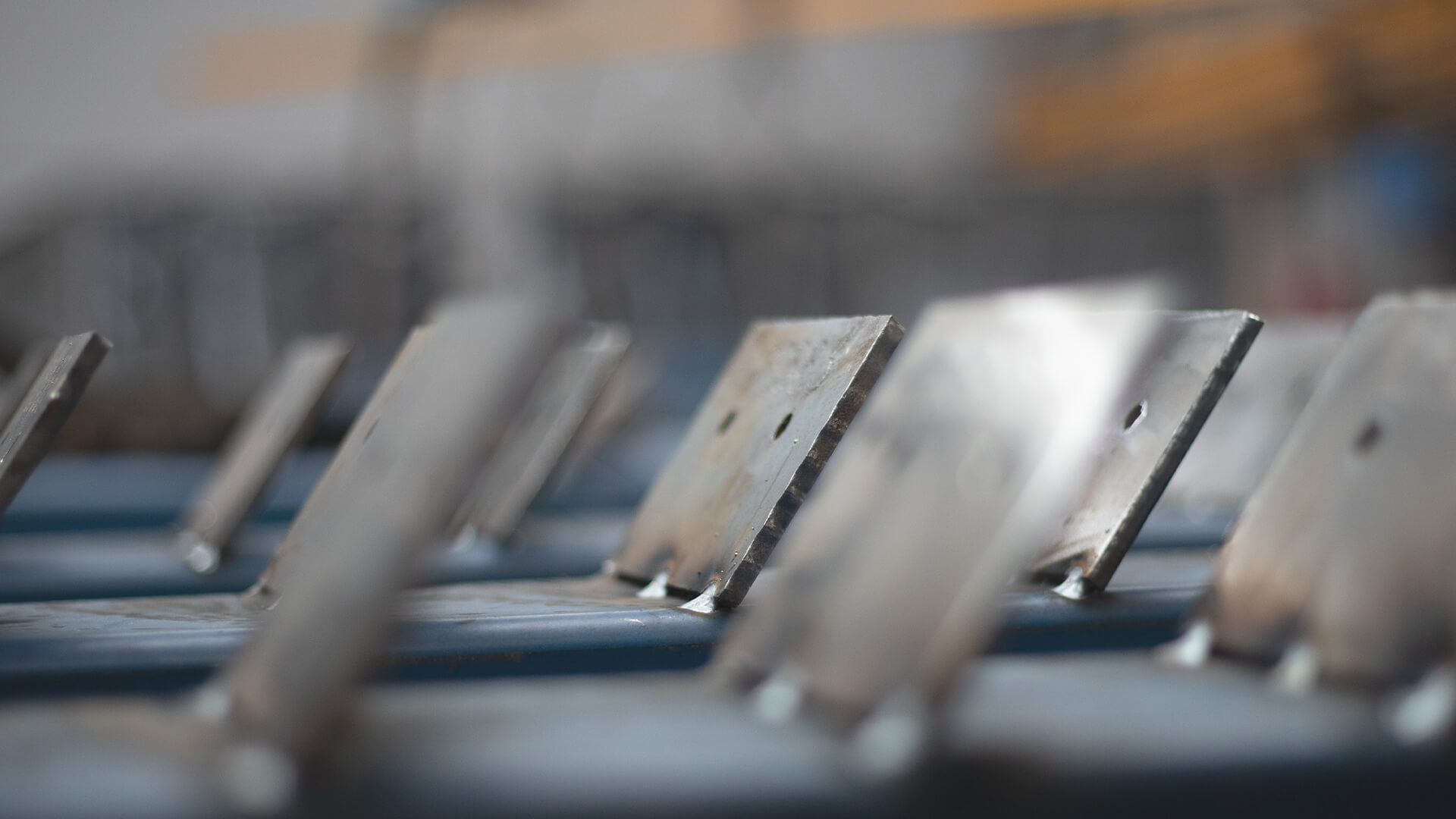
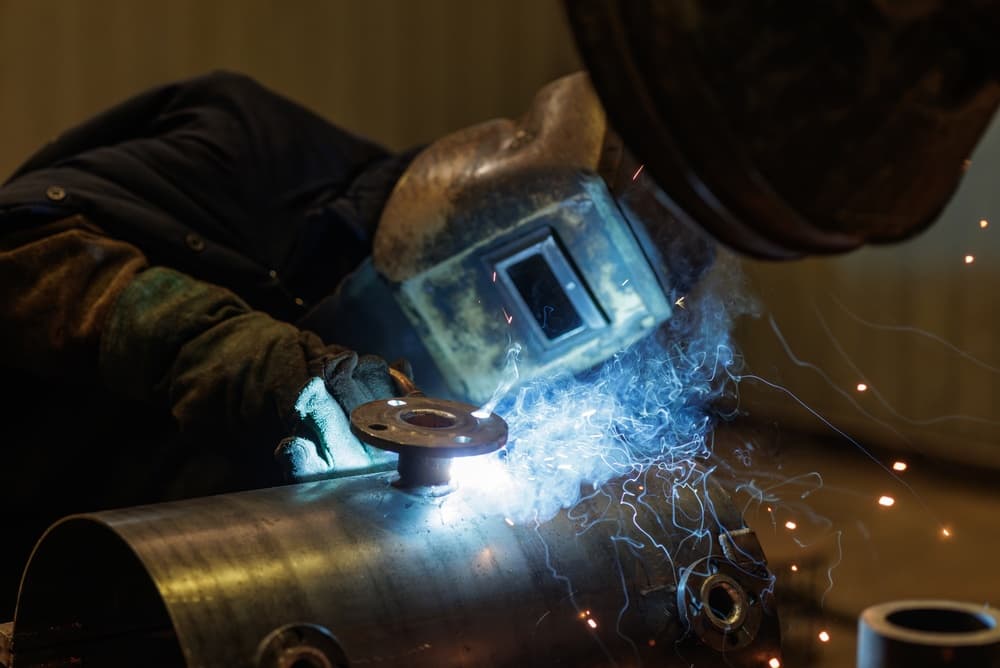
Once the design and measurements are confirmed, the steel can be fabricated in the workshop. This stage may involve cutting, welding, drilling, shaping, and finishing each component according to the approved plans.
With Boutique Steel Fabrication, the process is not limited to producing repeated parts. Each piece can be made to suit the project, whether it is a one-off architectural feature or a set of custom steel elements for a larger build.
Clear coordination between the workshop and site team is important. When fabrication is carefully planned, installation can be more efficient and better aligned with the wider construction schedule.
The Role of Fabrication Skill
Architectural steelwork needs to be practical, durable, and aligned with the overall design. A capable steel fabricator can help identify potential challenges early, suggest workable fabrication methods, and produce steel elements that suit the project requirements.
For architects, builders, and developers in Brisbane, BridgeFab provides custom steel fabrication services that help move concepts from design stage to finished installation. With the right planning and fabrication process, fabricated steel can become a strong and purposeful part of the finished space.