



Installing structural steel involves complex coordination, heavy equipment, and work at height. Safety and efficiency are closely linked, as well-organised processes help reduce risks while maintaining steady project timelines.
Fabrication providers, including BridgeFab support safe installation by supplying components that meet exact specifications. This minimises the need for on-site modifications and helps crews maintain a controlled working environment.
Planning and Risk Assessment Before Installation
Every successful steel installation begins with detailed planning. Site managers assess conditions, identify hazards, and develop safety procedures tailored to the project. This includes evaluating crane positioning, access routes, and lifting strategies.
Equipment checks are also essential. Cranes, rigging gear, and safety systems must be inspected before use. These steps ensure that the process of erecting fabricated steel begins with a strong focus on risk management.
Efficient Methods for Installing Steel Structures
Efficiency in steel installation comes from preparation and sequencing. Materials are delivered in the order they are required, allowing crews to move through the structure without unnecessary interruptions.
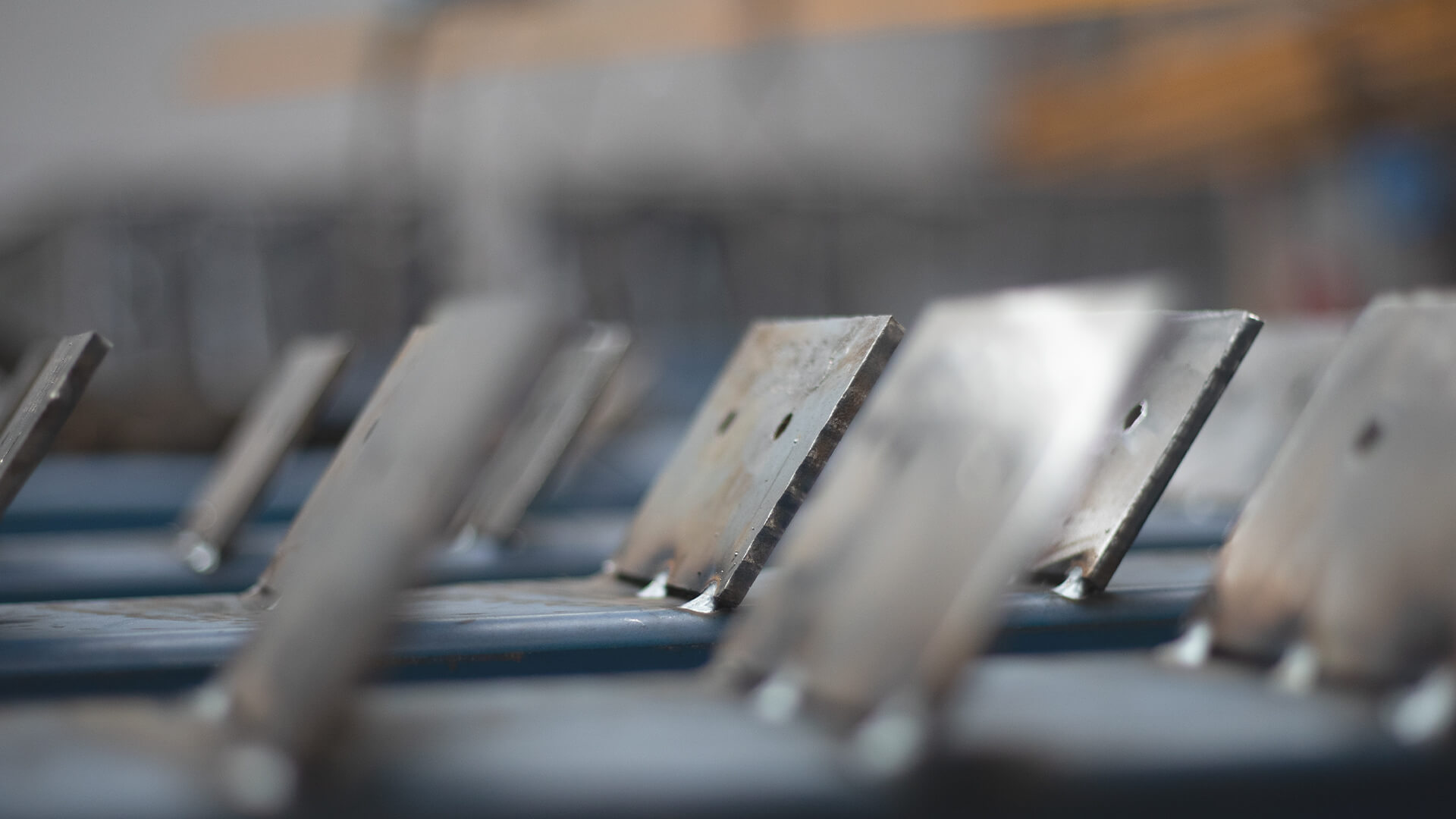
Pre-fabricated components play a key role in improving workflow. When elements arrive ready for installation, construction teams can focus on positioning and securing them rather than making adjustments on site. BridgeFab contribute to this efficiency by ensuring consistency in production.
Common efficiency practices include:
- Structured delivery schedules aligned with installation stages
- Pre-assembled components where appropriate
- Clear labelling for each structural steel element
- Ongoing communication between lifting crews and supervisors
Safety Systems During Steel Installation
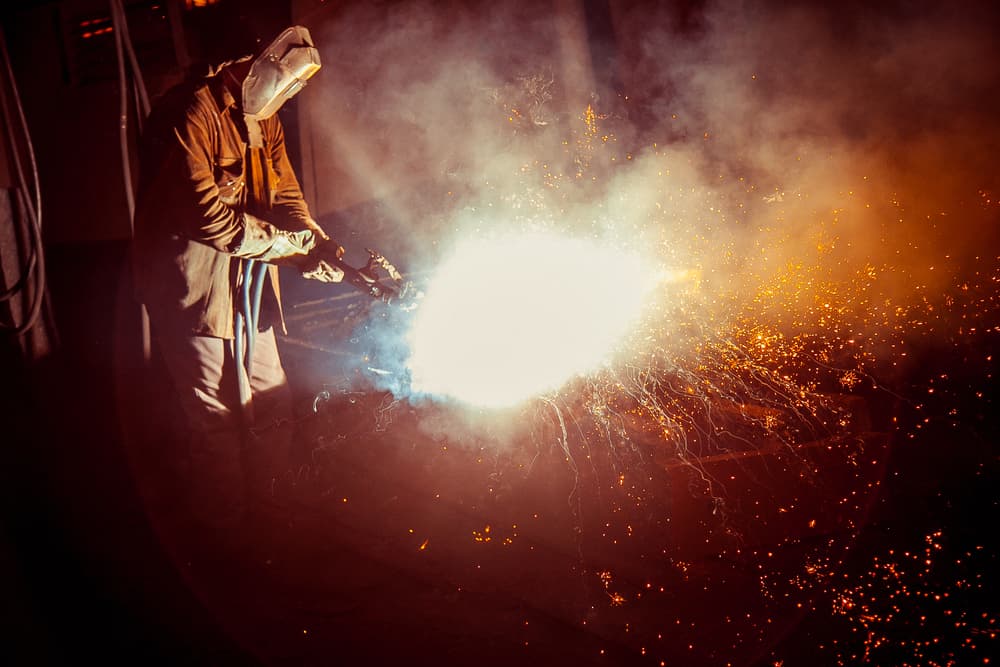
Safety measures are integrated into every stage of installation. Workers use harness systems, secure platforms, and guardrails when operating at height. Exclusion zones are established to control movement around lifting areas.
Supervisors oversee each phase to ensure compliance with safety procedures. This structured approach supports the safe handling of heavy materials while maintaining productivity during erecting fabricated steel.
Adapting to Changing Site Conditions
Construction environments can change quickly due to weather, scheduling, or site constraints. Teams must remain flexible while maintaining safety standards and efficiency.
Regular communication between all parties allows adjustments to be made without disrupting overall progress. The combination of planning, accurate fabrication, and on-site coordination ensures that structural steel installation continues smoothly under varying conditions.